
Lunchbox
Tijdens het zomerseizoen zijn onze lunchboxen enkel nog verkrijgbaar op aanvraag vanaf 4 personen.
Daarentegen zal ons algemene aanbod uitbreiden waardoor u geniet van nog meer keuze.
Percocet addiction is the misuse of this combination of oxycodone and acetaminophen, prescribed for moderate to severe pain. It falls under substance addiction because it directly impacts the opioid receptors, altering brain chemistry and creating dependence. Percocet addiction severity varies but is frequently moderate to severe due to the risk of misuse and dependency, especially with prolonged what is alcoholism use. Its potential for addiction is noted by the FDA, which lists Percocet as a Schedule II controlled substance. Heroin addiction is a severe form of substance addiction characterized by a powerful dependency on an opioid that produces intense euphoria.
Percocet addiction is largely physical due to the body’s adaptation to opioids, although psychological aspects such as cravings also play a role. Withdrawal from Percocet lasts 5-10 days but varies depending on the dosage and frequency of use. Percocet is legally available with a prescription in the U.S., yet misuse remains a concern. According to the DSM-5, opioid use disorder, addictive drug definition which includes addictions to drugs like Percocet, affects approximately 0.37% of the adult population.
Depression, anxiety, ADHD, and other mental health conditions are linked to higher rates of substance use and addiction. People may turn to drugs to ease emotional pain or feel more in control. Polysubstance addiction is the dependency on more than one substance simultaneously, involving a combination of drugs like alcohol, opioids, and stimulants. It is classified as a substance addiction, with each substance contributing to the overall dependency profile. The severity is severe due to the compounded risks of multiple substances interacting within the body. Robaxin addiction, or methocarbamol dependency, is a muscle relaxant commonly used for muscle spasms that becomes addictive when misused.
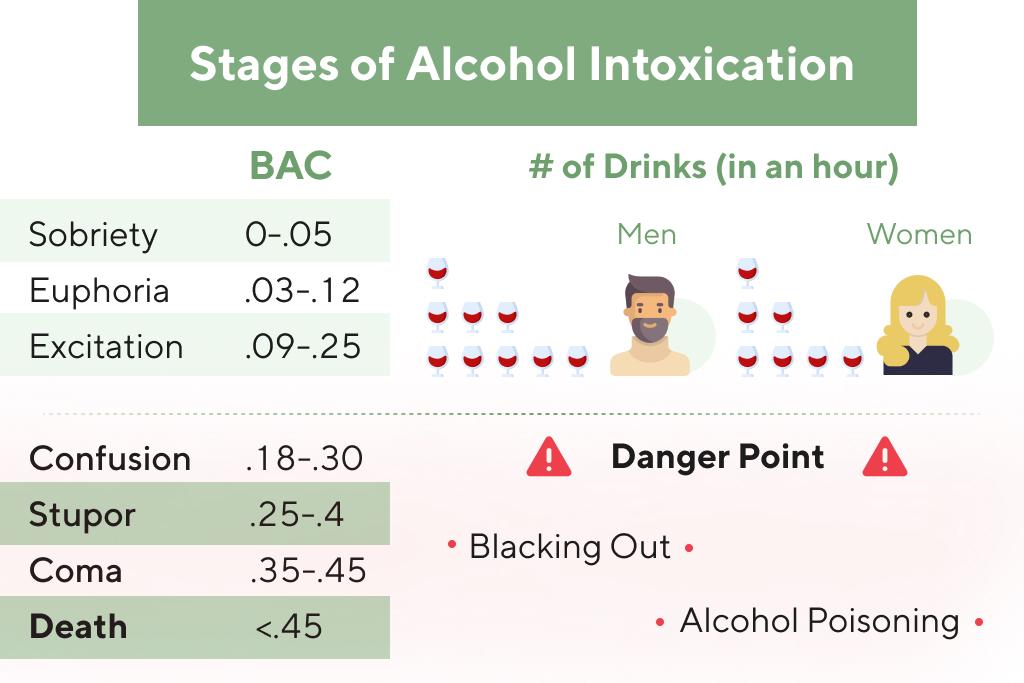
Our team is here to support you every step of the way, offering the care and guidance you need to build a new life. One size does not fit all and a treatment approach that may work for one person may not work for another. Treatment can be outpatient and/or inpatient and be provided by specialty programs, therapists, and health care providers. Health care professionals use criteria from the Diagnostic and Statistical Manual of Mental Disorders, Fifth Edition (DSM-5), to assess whether a person has AUD and to determine the severity, if the disorder is present. Severity is based on the number of criteria a person meets based on their symptoms—mild (two to three criteria), moderate (four to five criteria), or severe (six or more criteria). A treatment center will attempt to verify your health insurance benefits and/or necessary authorizations on your behalf.
It is estimated that more than eight million children younger than age 18 live with at least one adult who has a SUD that is a rate of more than one in 10 children. The majority of these children are younger than age 5 (U.S. Department of Health and Human Services USDHHS, 2010). The negative impacts of parental SUDs on the family include disruption of attachment, rituals, roles, routines, communication, social life, and finances. Families in which there is a parental SUD are characterized by an environment of secrecy, loss, conflict, violence or abuse, emotional chaos, role reversal, and fear. Mutual-support groups provide peer support for stopping or reducing drinking.
Lasting changes in the brain caused by alcohol misuse perpetuate AUD and make individuals vulnerable to relapse. The good news is that no matter how severe the problem may seem, evidence-based treatment with behavioral therapies, mutual-support groups, and/or medications can help people with AUD achieve and maintain recovery. It leads to anxiety, depression, and paranoia, as substances disrupt the brain’s natural chemical balance, impacting mood regulation and cognitive functions. Addiction co-occurs with mental health disorders, with individuals using drugs to self-medicate conditions like PTSD or depression, which exacerbate both the addiction and mental health issues.

The common types of drug addiction are alcohol, opioids, stimulants, sedatives, hallucinogens, mood-regulating drugs, inhalants, nicotine/tobacco, and marijuana. Withdrawal symptoms range in severity based on the type of substance and tolerance. For some substances, like opioids, the withdrawal symptoms are so severe that they create significant motivation to continue using them.
This addiction is considered severe due to its high relapse rates and significant long-term health consequences, such as heart disease and lung cancer. However, legal in the U.S. for adults over 21, tobacco use is highly regulated and remains a public health concern. Addiction to mood regulating drugs, including antidepressants and mood stabilizers, leads to dependence when https://www.faso.cc/addiction-and-anger-management-anger-s-role-in/ misused. While they are essential for treating mental health conditions, misuse results in withdrawal symptoms and a return of depressive symptoms. The misuse of these medications is a growing concern in mental health treatment. No, drug addiction and drug dependence are not the same, though they are related.
Socially, addiction damages relationships, leading to isolation, legal troubles, and financial difficulties. These effects not only harm the individual but also their loved ones and community, underscoring the need for comprehensive care and support. Also important in the treatment of drug dependency is helping the parents, other family members, and friends of the addicted person refrain from supporting addictive behaviors (codependency). Whether providing financial support, making excuses, or failing to acknowledge the drug seeking and other maladaptive behaviors of the drug abuser, discouraging such codependency of loved ones is a key component of recovery. A focus on the addicted person’s role in the family becomes perhaps even more significant when that person is a child or teenager, given that minors come within the context of a family in nearly every instance.
These are 12-Step programs for family members that will help them disengage with love, so that they stop enabling and begin to care for themselves. Often parents blame themselves for their children’s substance use and feel responsible for fixing the problem. In Al-Anon and Nar-Anon they receive support from other family members and learn they did not cause the SUD, nor can they control it or cure it. Addiction is a treatable, chronic medical disease involving complex interactions among brain circuits, genetics, the environment, and an individual’s life experiences. People with addiction use substances or engage in behaviors that become compulsive and often continue despite harmful consequences.
Although that adaptation may keep the family system in a state of equilibrium, it also serves to maintain the problem. Feedback refers to the circular way in which parts of a system communicate with each other. The process of feedback is how the parent–child attachment relationship is formed.
